

When fire or flooding affects a property, the damage is not always limited to what you can see. Water can get behind walls and under flooring, while smoke and soot can spread into areas that appear untouched. For Canadian property owners, getting the right restoration help quickly can make the recovery process much easier.
Fire and flood damage restoration in Canada involves much more than cleaning up after an emergency. It can include damage assessment, water removal, drying, smoke and soot cleanup, damaged material removal, repairs and restoring the property to a usable condition.
For businesses, the situation can be even more challenging because damage may interrupt daily operations, affect employees and customers, and put equipment, inventory and important property assets at risk.
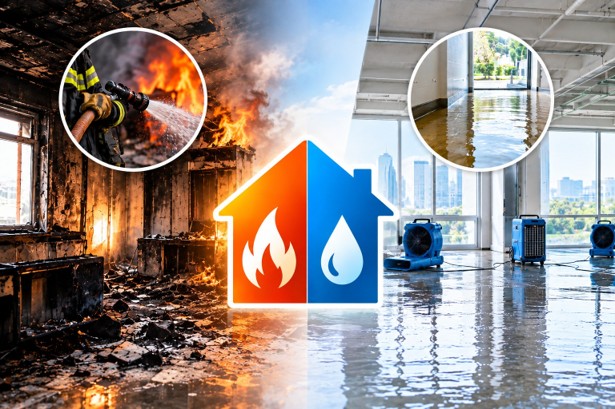
What Should You Do After Fire or Flood Damage?
The first thing to consider is safety. Do not enter an area if there is a risk of structural damage, electrical hazards, contaminated water or other unsafe conditions.
Once the property is safe to access, document the damage with photographs or videos and contact your insurance provider if appropriate. It is also important to arrange a professional assessment as soon as possible.
With water damage, quick action matters because moisture can continue moving through building materials even after visible standing water has disappeared. The longer moisture remains, the greater the possibility of additional damage.
What Does Fire Damage Restoration Involve?
A fire can leave behind more than burned materials. Smoke and soot can settle on walls, ceilings, flooring, furniture, equipment and other surfaces. The smell of smoke can also remain long after the fire has been extinguished.
Professional fire restoration may involve:
- Inspecting and assessing the affected areas
- Removing debris and severely damaged materials
- Cleaning smoke and soot from surfaces
- Addressing persistent smoke odours
- Removing water left from firefighting
- Drying areas affected by water
- Cleaning salvageable contents
- Repairing damaged surfaces
- Restoring affected parts of the building
Every fire is different, so the restoration process depends on the size of the fire, the materials affected and the extent of smoke, heat and water damage.
What Happens During Flood Damage Restoration?
Flood damage can create problems that are easy to miss during the first inspection. Water may collect under flooring, inside walls or in other concealed areas.
A professional fire and flood damage restoration in Canada process may include water extraction, drying, cleaning, moisture checks and repairs.
The restoration team first needs to understand where the water has travelled and which materials have been affected. Standing water can then be removed, followed by controlled drying and dehumidification where required.
Moisture levels should also be checked during the process rather than relying only on whether a surface feels dry.
Can Flood Damage Lead to Mould?
Yes. Moisture that remains in a building can create conditions that support mould growth.
This is one reason why simply removing visible water is not always enough. Areas underneath flooring, behind walls and inside other materials may still contain moisture.
Prompt extraction and professional drying can help reduce the risk of moisture-related problems. If mould is already present, the appropriate remediation approach will depend on the extent and location of the growth.
Can a Fire Also Cause Water Damage?
Yes. Water damage can occur as a result of firefighting efforts.
Sprinkler systems, fire hoses and other firefighting methods can introduce significant amounts of water into a building. As a result, a property that has experienced a fire may need both fire and water damage restoration.
This is particularly important for commercial properties where water can affect electrical equipment, flooring, walls, ceilings, inventory and other business assets.
Does Insurance Cover Fire and Flood Damage?
Insurance coverage depends on the individual policy and the circumstances surrounding the damage.
Different types of water-related incidents may be treated differently by insurance policies. Fire damage, sudden water damage, sewer backup and flooding can have different coverage conditions, exclusions and deductibles.
Property owners should speak directly with their insurance provider to understand their coverage.
It is also helpful to keep photographs, videos, receipts, reports and other documentation related to the damage and restoration work.
How Long Does Fire and Flood Restoration Take?
There is no fixed answer because every property and damage situation is different.
A small water incident may be resolved relatively quickly, while a major flood or fire affecting several areas of a commercial building can require considerably more time.
The restoration timeline can depend on:
- The size of the affected area
- Severity of the damage
- Amount of water present
- Type of building materials
- Level of smoke and soot contamination
- Hidden moisture
- Structural damage
- Required repairs
- Availability of replacement materials
A professional assessment can provide a clearer understanding of the work that may be required.
Why Is Professional Restoration Important for Businesses?
For a business, property damage can quickly become an operational problem.
A flooded office, damaged warehouse or fire-affected commercial space may prevent employees from working normally. Equipment, stock, documents and other business assets can also be affected.
Professional restoration helps organize the recovery process by identifying the damage, addressing immediate problems and determining what needs to be cleaned, dried, repaired or replaced.
For commercial and industrial properties, the restoration approach should take the building’s use, equipment and operational requirements into consideration.
Fire and Flood Damage Restoration in Canada for Commercial Properties
Commercial and industrial buildings often have different restoration requirements than residential properties. Large floor areas, specialized equipment, inventory, mechanical systems and business operations can all make restoration more complicated.
ServiQuest provides Fire & Flood Restoration services for commercial and industrial properties. Its restoration process includes damage assessment, cleanup and drying, as well as structural and surface restoration.
For businesses looking for fire and flood damage restoration in Canada, having one restoration team assess the affected areas can help property owners understand the scope of the damage and the next steps involved.
Frequently Asked Questions
What is fire and flood damage restoration?
Fire and flood damage restoration is the process of assessing, cleaning, drying, repairing and restoring a property after fire or water-related damage.
How soon should I start flood cleanup?
Flood cleanup should begin as soon as it is safe to do so. Prompt action can help limit continuing water damage and reduce the chance of moisture-related problems.
Can fire damage include water damage?
Yes. Water used during firefighting can damage walls, floors, ceilings, equipment and other parts of a property.
Can water damage be hidden?
Yes. Water can remain underneath flooring, inside walls and in other areas that are not immediately visible.
How do I reduce the risk of mould after flooding?
Removing standing water quickly, drying affected materials properly and monitoring moisture levels can help reduce conditions that support mould growth.
Does ServiQuest provide fire and flood restoration?
Yes. ServiQuest provides Fire & Flood Restoration services for commercial and industrial properties, including damage assessment, cleanup, drying and structural and surface restoration.
Conclusion
Dealing with fire or flood damage can be stressful, especially when the property is used for business. What looks like a small problem on the surface can sometimes involve hidden moisture, smoke contamination or damage to building materials underneath.
That is why Fire and Flood Damage Restoration in Canada should focus on more than simply making a property look clean. Proper assessment, water removal, drying, cleaning and restoration can help address the damage at its source and support a safer recovery.
For commercial and industrial property owners, ServiQuest offers professional fire and flood restoration services to help manage the cleanup and restoration process.
If your property has been affected by fire or flooding, visit ServiQuest to learn more about its
Fire & Flood Restoration services and available restoration solutions.
Website: https://serviquest.ca/